

Why Does Your Phone Bounce in Running Shorts? A Pocket-Fit Guide
Quick answer: why does your phone bounce?
Your phone can move inside a running-shorts pocket when there is spare room around it, the pocket hangs loosely, or the loaded waistband shifts. A zipper helps keep the phone from falling out; it does not automatically stop movement inside the pocket. Check your phone with its case on, adjust the waist, and try a short jog before choosing a pair for longer runs.
You head out for an easy run, tuck your phone into your shorts, and hear it tapping against your leg a few minutes later. You tighten the drawstring. The phone still moves. What looked like a useful pocket at home has become something you keep adjusting.
The answer is not simply to buy shorter shorts or look for more pockets. It is to match the pocket, waistband and carrying setup to the phone you actually use. Here is how to compare your options without treating every zipper as a promise of a bounce-free run.
Why can a phone bounce even in a zipped pocket?
A closed pocket and a close-fitting pocket solve different problems. The closure limits the chance of an item slipping through the opening. The way the pocket holds that item affects how much it can shift while you move.
- Space inside the pocket: a pocket can be large enough for your phone yet leave room for it to slide or rotate.
- Pocket position and support: a loose pocket bag can move with the outer fabric. A different position may feel better, but comfort varies with body shape and the pocket's construction.
- Waistband fit: a phone and other essentials add weight. A waistband that fits when empty may sit differently once the pockets are loaded.
- Your full carrying setup: phone size, case thickness, keys and other items change how the pocket feels. Test what you normally carry, not just an empty phone-sized outline.
What runners are actually asking
In a Reddit discussion about phone bounce and shorts slipping, the original poster described both phone movement and the weight of items pulling at their shorts. Replies suggested several approaches, including close-fitting inner pockets and separate running belts. A second discussion about lined versus unlined running shorts shows that runners do not share one preference for liners or phone storage.
These are individual experiences, not controlled product tests. They point to a useful buying question: does this carrying setup work for my phone, my fit and my run?
Which pocket style should you compare?
When comparing running shorts with phone pockets, look beyond pocket count. Start with how you want to carry your essentials and what you are willing to adjust.
| Option | Why consider it? | What to check |
|---|---|---|
| Outer side zipper pocket | A closed opening and accessible storage. | Phone movement against your leg and whether the loaded pocket pulls the waist. |
| Rear zipper pocket | An alternative location for essentials. | Actual phone capacity, access and comfort. A rear pocket may be sized for keys rather than a phone. |
| Close-fitting liner pocket | Holds the phone in an inner layer closer to the body. | Liner fit, pocket stretch, ride-up and pressure from the phone or case. |
| Separate running belt | Lets you keep a preferred pair of shorts while changing storage. | Belt fit, loaded movement and access. A belt also needs a trial run. |
No position is automatically best for everyone. If your current shorts fit well but the phone pocket does not, changing the way you carry the phone may be more useful than changing the shorts' inseam.
A practical phone-fit check before your next run

- Use your normal phone and case. Check both the opening and the space inside. A pocket that accepts a bare phone may not accommodate a thicker case comfortably.
- Close the zipper fully. You should not have to force the closure over the phone. Make sure the item is entirely inside the pocket.
- Load the other essentials you actually carry. Keep the trial realistic. Start with fewer items if a crowded pocket feels awkward.
- Adjust the waistband. Use the drawstring if provided, then walk and move normally. The waist should feel comfortable rather than relying on excessive tightening.
- Try a brief, easy jog where safe. Notice whether the phone swings, presses against you, or pulls one side down. Recheck with your usual setup before a longer run.
If the fit is uncomfortable, try another pocket or carrying method. A product description can identify pocket features, but it cannot confirm how your particular phone will feel during movement.
Do 5-inch or 7-inch shorts reduce phone bounce?
Inseam length alone does not determine phone stability. A 5-inch inseam gives less leg coverage than a 7-inch inseam, but phone storage still depends on the individual pocket and waistband.
If you prefer a shorter cut and your own inner layer, compare 5 inch running shorts without a liner. An unlined outer short lets you choose your underwear or compression layer separately; it does not mean the outer pocket will hold a phone against your body.
If you prefer more coverage for running, gym sessions and everyday wear, explore 7 inch athletic shorts with pockets. Compare the features of each style rather than assuming every pair in the collection has the same pocket layout.
For the length decision itself, see our guide to choosing the right inseam for men's athletic shorts.
Two NORTHYARD shorts to compare for zippered storage
These options address two different coverage preferences. The details below come from the current product listings; they are not phone-specific bounce-test results. Check the product page for available colors, sizes and the current size guide.

Prefer a shorter cut and your own inner layer?
NORTHYARD Men's 5 Inch Inseam Workout Stretch Sweat Shorts for Cycling & Running
- 5-inch inseam with an unlined, relaxed athletic fit.
- 90% polyester and 10% elastane, with stretch fabric and side-split hems.
- Two side zipper pockets and one rear zipper pocket.
- Elastic waistband with an internal drawcord.
Why compare this pair: it suits a preference for less leg coverage and a separately chosen inner layer. Confirm phone capacity and loaded comfort rather than assuming three zipped pockets mean no bounce.
View the 5-inch fit and pocket details
Prefer more coverage for runs and gym sessions?
NORTHYARD Men's Athletic Workout 7 Inch Gym Shorts with Zipper Pocket for Hiking
- 7-inch inseam for more coverage than a 5-inch cut.
- 90% polyester and 10% spandex, with lightweight, four-way stretch fabric.
- Two side zipper pockets and one back zipper pocket.
- Elastic waistband and an adjustable drawstring.
Why compare this pair: it offers a longer cut with zippered storage for a mix of activities. The added inseam length is a coverage choice, not evidence of better phone stability.
View the 7-inch fit and pocket detailsFrequently asked questions
Do zipper pockets stop a phone from bouncing?
Not necessarily. A zipper closes the opening, while pocket size, support, position and waistband fit affect movement. Test the loaded pocket with your own phone and case.
Is a rear pocket better than a side pocket for running?
It depends on the pocket design and your fit. A rear location may feel better to some runners, but it must be large enough and comfortable with the phone inside. A rear key pocket is not automatically a phone pocket.
Should I choose lined or unlined shorts to carry a phone?
Choose based on the actual storage design and the inner layer you prefer. Some liners have phone pockets; others do not. Unlined shorts give you the option to use a separate inner layer or carrying accessory.
Will 7-inch shorts hold my phone better than 5-inch shorts?
Not simply because they are longer. Compare the pocket dimensions, construction and loaded waist fit. Inseam length primarily changes leg coverage.
What if my phone still moves after I adjust the drawstring?
Try a different pocket or reduce what you carry in it. If movement remains distracting, compare a close-fitting inner pocket or running belt rather than tightening the waistband more and more.
Choose the carrying setup, then choose the shorts
Start with the phone and essentials you use every day. Look for a closure that works, a pocket that fits, and a waistband that remains comfortable when loaded. Then choose the inseam and inner layer you prefer. That gives you a more useful comparison than pocket count or a universal “no-bounce” claim.
Sources and product details reviewed September 30, 2026. Community links describe individual experiences. Illustrations explain general checks; the two product cards use NORTHYARD product photographs.
FAQ
Do zipper pockets stop a phone from bouncing?
Is a rear pocket better than a side pocket for running?
Should I choose lined or unlined shorts to carry a phone?
Will 7-inch shorts hold my phone better than 5-inch shorts?
What if my phone still moves after I adjust the drawstring?
-

 Men's 7" Stretch Versatility Athletic Shorts with 3 PocketsRegular price $31.69
 -

 Men's 7-inch Mesh Tennis Sweat Shorts with Pockets Elasticated WaistRegular price $32.99
 -

 Men's Moisture Wicking 5-Inch Hiking Shorts & Lightweight Sweat ShortsRegular price $32.99
 -
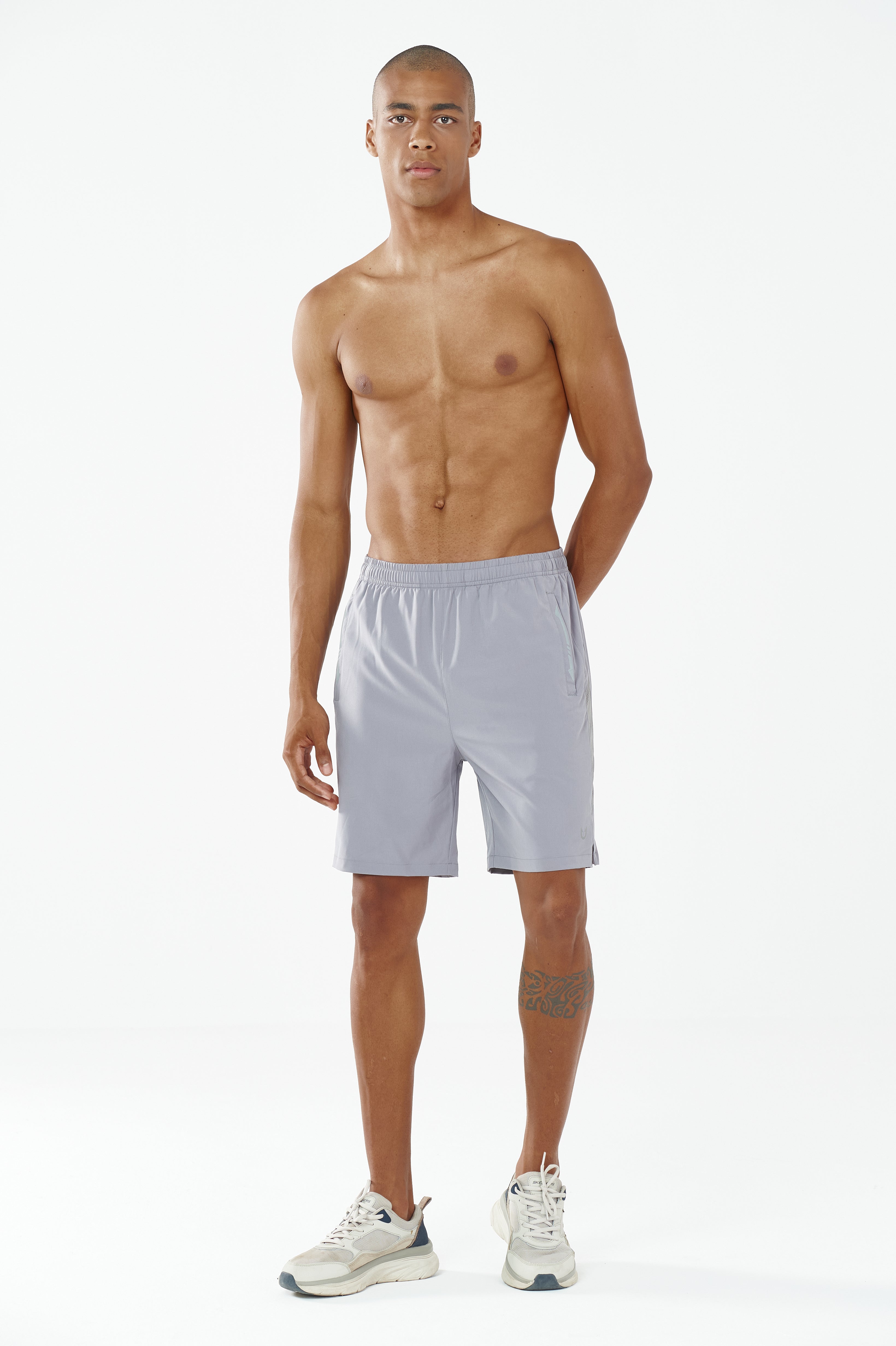
 Men's Workout Running 5 inch Shorts with Pockets Quick Dry Fit GymRegular price $21.99


Related Posts


